Ein idealer Besuch, wenn Sie Orte mögen, die zum Nachdenken anregen, ohne je zu langweilen, interaktive Rundgänge und kulturelle Erlebnisse, die Erinnerung und Emotionen gleichermaßen ansprechen – zu entdecken bei einem Aufenthalt in Brüssel, allein, zu zweit oder mit einer neugierigen Familie.
Haus der Europäischen Geschichte – eine lebendige Reise in das Herz unserer gemeinsamen Erinnerung
Nur wenige Schritte von den europäischen Institutionen entfernt, im Herzen des Europaviertels von Brüssel, überrascht das Haus der Europäischen Geschichte bereits auf den ersten Blick. Untergebracht in einem wunderschönen Art-déco-Gebäude, ehemals eine Klinik aus den 1930er-Jahren, bietet dieses Museum einen originellen und zutiefst menschlichen Zugang zur Geschichte des Kontinents. Fernab gängiger Klischees erweist sich der Besuch als lebendig, zugänglich und oft überraschend.
Europa anders erzählen
Hier wird die Geschichte Europas nicht aus einer einzigen Perspektive dargestellt, sondern anhand von sechs großen Leitmotiven erkundet, die die Dauerausstellung strukturieren. Von Europa gestalten über Das Europa von heute bis hin zu Europa in Trümmern oder Einen geteilten Kontinent wiederaufbauen lädt der Rundgang dazu ein, die großen Umbrüche, Hoffnungen und Bruchlinien zu verstehen, die den Kontinent geprägt haben.
Das Museum beschränkt sich nicht auf eine institutionelle oder politische Lesart. Es verbindet kollektive und individuelle Perspektiven sowie kulturelle, soziale und ideologische Dimensionen, um eine vielschichtige, differenzierte und zutiefst greifbare Geschichte erlebbar zu machen.
Eine immersive und zugängliche Inszenierung
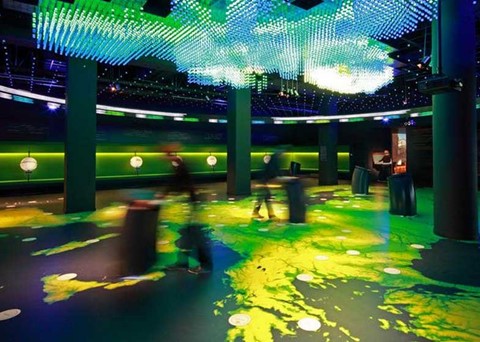
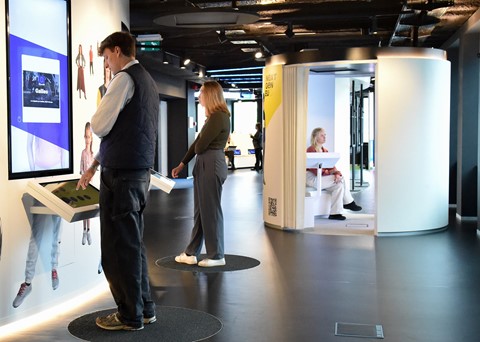
Die Stärke des Hauses der Europäischen Geschichte liegt in seiner modernen und interaktiven Szenografie. Tablets, interaktive Objekte, Rekonstruktionen und Zeitzeugenberichte – alles ist darauf ausgerichtet, auch komplexe Inhalte klar und verständlich zu vermitteln. Sie bewegen sich neugierig von Raum zu Raum, getragen von einer Inszenierung, die Aufmerksamkeit weckt und zum Nachdenken anregt.
Viele Besucher berichten von ihrer Überraschung über diesen Ansatz: Statt eines ernsten oder gar nüchternen Museums entdecken sie einen dynamischen, fließenden Ort, an dem Lernen ganz selbstverständlich geschieht.
Eine Reise durch Erinnerungen und Emotionen
Im Verlauf der Ausstellung wird die europäische Geschichte auch zu einer persönlichen Erinnerung. Alltagsgegenstände, alte Werbeanzeigen, ein kleines Auto aus Osteuropa, Möbel aus den 1970er-Jahren – Fragmente, die ein Lächeln hervorrufen, Erinnerungen wecken und eine unmittelbare Verbindung zwischen Vergangenheit und Gegenwart schaffen.
Die großen Ereignisse des Kontinents – von den napoleonischen Kriegen über die Weltkriege, vom Eisernen Vorhang bis zur Konsumgesellschaft, vom Feminismus bis zum Krieg in Jugoslawien – werden differenziert dargestellt, ohne übermäßige Vereinfachung, und stets mit dem Anspruch, nah an den Besuchern zu bleiben.
Ein lebendiges Museum mit starker Verankerung in Brüssel
Das 2017 eröffnete Haus der Europäischen Geschichte zeichnet sich durch seinen Anspruch und die dafür eingesetzten Mittel aus. Die Sammlungen aus allen Teilen Europas und die Qualität der Inszenierung ermöglichen es, mehrere Stunden zu verbringen, ohne die Zeit zu bemerken.
In Brüssel verankert und zugleich der jüngeren Geschichte des gesamten europäischen Kontinents verpflichtet, gelingt es dem Museum, verschiedene Ebenen miteinander zu verbinden: die Europas, die der Völker und die der einzelnen Menschen.
Montag: 13.00 - 18.00 Uhr • Dienstag bis Freitag: 9.00 - 18.00 Uhr • Samstag und Sonntag sowie jeden Tag im Juli und August: 10:00 - 18:00 Uhr • Geschlossen am 1.05., 1.11., 24.12., 25.12., 31.12. und 1.01.
Eintrittspreis
Kostenlos
Führung
Rundgang mit Tablets (in 24 Sprachen verfügbar)
Dauer der Besichtigung
1,5 Std.• Rundgang mit Tablets (in 24 Sprachen verfügbar)
Gruppe
Preis
Kostenlos
Führung
Kostenlose Führungen in EN, FR, NL, DE auf Anfrage, für Gruppen ab 10 Personen ODER Rundgang mit Tablets (in 24 Sprachen verfügbar).
Spezielle Führungen für Schulgruppen sind ebenfalls möglich.
• Eine vorherige Anmeldung ist erforderlich für Gruppen von 10 Personen und mehr.
Besuche für Gruppen mit einem Multimedia-Guide sollten mindestens 2 Wochen im Voraus online gebucht werden.
Geführte Besichtigungen sollten mindestens 4 Wochen im Voraus online gebucht werden.
Weitere Informationen
• Führungen und Workshops für Schulen.
Each tour is facilitated by a member of our museum team, offering their personal interpretation of the theme and a fresh perspective on the collection. Rather than exhaustive lectures, these tours highlight selected objects and aim to spark curiosity, reflection and conversation about European History.
Practical information
- Tours are free and take place from 12:15-13:00 in English. Meet the guide at the Family Kiosk in the Fables Room. No booking required.
- Please be aware that to enter the museum, you must pass through security checks which can take some time – we advise you plan for this in advance.
20 January - Memories of the Shoah
2026 marks 80 years since the closure of the Nuremberg Trials, where Nazi perpetrators were brought to justice. The month of January also offers a time to commemorate the victims of the Holocaust on Remembrance Day. A week prior to the commemoration, the House of European History invites you to take time in the exhibition to remember the victims and hear the individual stories that must never be forgotten.
17 February - Feelings in History
Feelings play a large part in historical narratives: sometimes for contradicting reasons, sometimes driving individuals or entire societies to take action. This February, come and uncover some of the many emotions behind historical events through the vast collection of the House of European History.
17 March - Women in European History
In March we celebrate International Women’s Rights Day, making it the perfect moment to discover some of the extraordinary women represented in the House of European History. Delve into the collection, encounter the objects linked to their lives, and learn more about their impact on Europe’s past.
21 April - Meet Postcolonial? exhibition team 1/2
Our new temporary exhibition “Postcolonial?” has officially opened its doors! Come and meet the team that helped create and shape the exhibition that explores the long-lasting effects that colonisation and its ending have had in Europe over the last 70 years.
19 May - A little more EU in your lunch break
EU don't know EU’re bEUtiful! Discover more about the European Union and the people, programmes and events that connect European countries. “Schuman”, “European Elections” and “Erasmus” this is your chance to learn more about these iconic European stories!
16 June - Love is Love
Love makes the world go round and the House of European History holds many lovely objects and stories. Come and encounter them as you fall in love with history and take a closer look at some stories from the LGBTQIA+ community, their struggle to love who they want, their victories and the waves they made in European history. Love wins!
21 July - No lunchtime tour due to national holiday.
18 August - Europe in motion
Behind every journey lies a story. This month, take a closer look at the movements that transformed Europe: the migrations that reshaped communities, the travels that opened new horizons, and the transport innovations that brought the continent closer together. Let’s uncover the human experiences hidden behind Europe’s roads, routes and roaming.
15 September - Generation to generation
Which generation do you belong to? From Erasmus students setting off on European adventures, to the many age groups who lived, loved, fought and rebuilt this continent, each generation brings its own rhythm to history. Come and uncover how generations shape Europe and how Europe shapes generations.
20 October - A very European playlist
Music in European history carries meaning, memories and moments of gathering. Let’s listen carefully to the sounds and songs throughout the House of European History including ‘’Ode to Joy’’, factory rhythms, Eurodance beats and Eurovision favourites...
17 November - Meet Postcolonial? exhibition team 2/2
“Postcolonial?” is the current temporary exhibition here at the House of European History. It explores the long-lasting effects that colonisation and its ending have had in Europe over the last 70 years. Come and meet the team that shaped this exhibition.
15 December - Preparation for a festive season
Say hello to the festive season! Brush up on stories of European history for the perfect dinner table conversation this holiday period. Looking for inspiration for the perfect gift? Try a trip to the House of European History! Let’s unpack the history of certain objects that were given and maybe even returned.
Get to know the museum’s essentials
Once a month, join our French-language guided tour designed for individual visitors who want an engaging introduction to the permanent exhibition. In 90 minutes, you will discover essential objects and stories while learning new ways to look, reflect and discuss European history. The tour is completely free and open to adults and teenagers aged over 12. It is ideal for curious visitors coming on their own, or with up to four other people.
About the Visites Découvertes
- During this guided visit, a facilitator will introduce you to the museum and a selection of key objects from the exhibition.
- The tour also involves learning methods, such as "Visible Thinking" and "Slow Looking", which encourage sharing observations or moments for dialogue and reflection within the group.
- The tour will help you see details from European history, connect ideas and feel more confident exploring the rest of the exhibition on your own afterwards.
Practical Information
- Language - French
- Duration - from 14:30 to 16:00, each second Sunday of the month
- Meeting point - Fables room, arrive in advance due to mandatory security checks
- Registration - Participation is free, but registration is mandatory. If the tour is not full, additional visitors may join on the day.
17/04/2026 - 14/03/2027:
* monday: from 13:00 to 18:00
* tuesday, wednesday, thursday and friday: from 09:00 to 18:00
* saturday and sunday: from 10:00 to 18:00
The general guided tour offers an overview of the Postcolonial? exhibition for adult visitors, focusing on the historical link between colonialism and racism. Through selected artworks and objects, the tour explores how colonial expansion contributed to the formation of political, economic, and social structures that still organise power, wealth, and inequality today.
17/04/2026 - 14/03/2027:
* monday: from 13:00 to 18:00
* tuesday, wednesday, thursday and friday: from 09:00 to 18:00
* saturday and sunday: from 10:00 to 18:00
This tour focuses on art as a tool for empowerment, self-representation, and anticolonial and decolonial struggle. It proposes an interpretive path that foregrounds how artistic practices can challenge dominant narratives, connect histories, and speak back to structures of oppression.
18/04/2026 - 14/03/2027:
* monday: from 13:00 to 18:00
* tuesday, wednesday, thursday and friday: from 09:00 to 18:00
* saturday and sunday: from 10:00 to 18:00
Starting with the structural foundations of European colonialism, going through how Europeans preserved power as their empires collapsed and in what manner that affected newly independent countries, the exhibition takes us to present times. It invites us to reflect on the ways colonial history still shapes life today.
Following the Second World War, colonial power seemed to crumble. From 1945 to the end of the twentieth century, more than 80 colonies overcame European rule and declared independence. After decades or even centuries of resistance to brutal oppression, their victories appeared to mark a decisive break with the past. But appearances can be deceiving.
How did the colonial matrix of power – the ideas, events, inequalities and injustices born of colonialism – continue to shape the modern world?
Unique artworks, historical objects and personal stories accompany the visitor throughout this much-needed European reckoning with colonialism.
Food is never just food: it carries living legacies of migration, global trade routes, conquest, and cultural resistance. In connection with the Postcolonial? exhibition, this interactive culinary event reveals how centuries of empire have transformed what we eat, how we cook, and the ways our food cultures continue to evolve.
Catering collective La MarMeet will host a participatory tasting journey featuring savoury and sweet stations designed to spark reflection. Each recipe serves as a culinary archive, revealing centuries of colonial entanglements and cross-cultural exchange through essential ingredients such as chili, peanuts, baguettes, cacao, and spices.
Throughout the session, guest speakers will join tables to share their insights, unpack the histories behind these dishes, and foster collective conversation:
Sarra El Massaoudi, creator of Nos héritages culturels, exploring heritage, memory, and cultural transmission.
Félix Lafrappe, activist and digital content creator addressing identity, colonial legacies, and representation.
Grace Ly, author and podcaster working on politics, race and deconstructing cultural stereotypes.
Together with the culinary team, our guests will guide you through the ingredients, techniques, and geopolitical journeys behind every bite. Join us for a lunchtime of shared flavours, critical storytelling, and community dialogue.
This event is part of the “Postcolonial?” Public Programme co-developed by the museum with a circle of experts, practitioners, artists and educators.
Practical information
The event will be held in French.
Please allow some time for the security check at the entrance.
Registration is required.